
Why Paper Pallet?
The advantages of paper pallet (cardboard pallet) solutions over traditional wooden pallets in global export logistics.
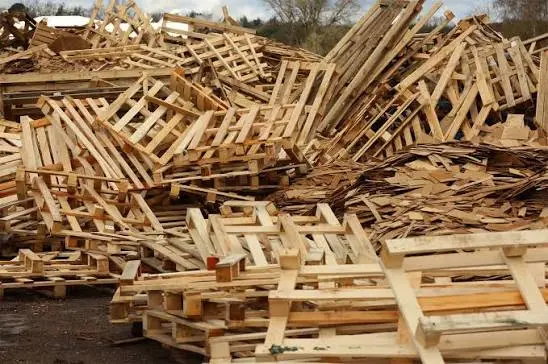
The True Cost of Wooden Pallets
Traditional wooden pallets are the invisible cost driver in global logistics. Fumigation requirements, heavy tare weight and increasing environmental regulations are pushing export operations to find sustainable alternatives.
The ISPM-15 standard requires wooden pallets to undergo heat treatment or methyl bromide fumigation before international trade. This process increases costs and leads to customs delays.
Paper pallets — also known as cardboard pallets — are classified as non-wood packaging and are completely exempt from these requirements by nature.
Wooden Pallet: Environmental Burden
The lifecycle of wooden pallets creates a significant carbon footprint — from forest felling to transportation and disposal.
Fumigation Chemical Risk
Methyl bromide used in the fumigation process is a highly toxic gas and has negative effects on the ozone layer. Using paper pallets completely eliminates this chemical risk.
Low Carbon Footprint
Paper pallets have a CO₂e emission of just 1.9–2.3 kg, significantly lower than wooden pallets. Their 100% recyclable paper structure contributes to your companies' zero-waste and carbon neutral targets.
Comparison: Cardboard, Wood, and Plastic Pallets
See which pallet is more advantageous. (Values are industry averages.)
| Feature | Paper Pallet | Wooden Pallet | Plastic Pallet |
|---|---|---|---|
| Average Weight | 5 - 7 kg (Extra Light) | 20 - 25 kg (Heavy) | 12 - 18 kg (Medium) |
| ISPM-15 Treatment | Exempt (Not Required) | Mandatory | Exempt |
| Recycling | 100% Easy / Profitable | Low Value Waste | Difficult & Costly |
| Freight / Export Cost | Low (Advantageous) | Medium / High | Very High |
| EU PPWR Compliance | Fully Compliant (Tax-Free) | Compliant | Risky (Plastic Tax) |
Switch to Paper Pallet Now
Discover our ISPM-15 exempt, sustainable paper pallet solutions.
View Products